

A
Fire & Explosion Risk
Embedded lithium batteries ignite during collection, storage and handling. Documented incidents across European collection bins, trucks and recycling facilities.
PolygreenEKAN WEEE DivisionFrankfurt Expo 2026
First & only
WEEELABEX-certified
company for e-cigarette treatment in Europe.
Embedded lithium batteries. Finally processable.
Compatible with e-cigarettes and SHA.
01The problem
Embedded lithium batteries ignite during collection, storage and handling. Documented incidents across European collection bins, trucks and recycling facilities.
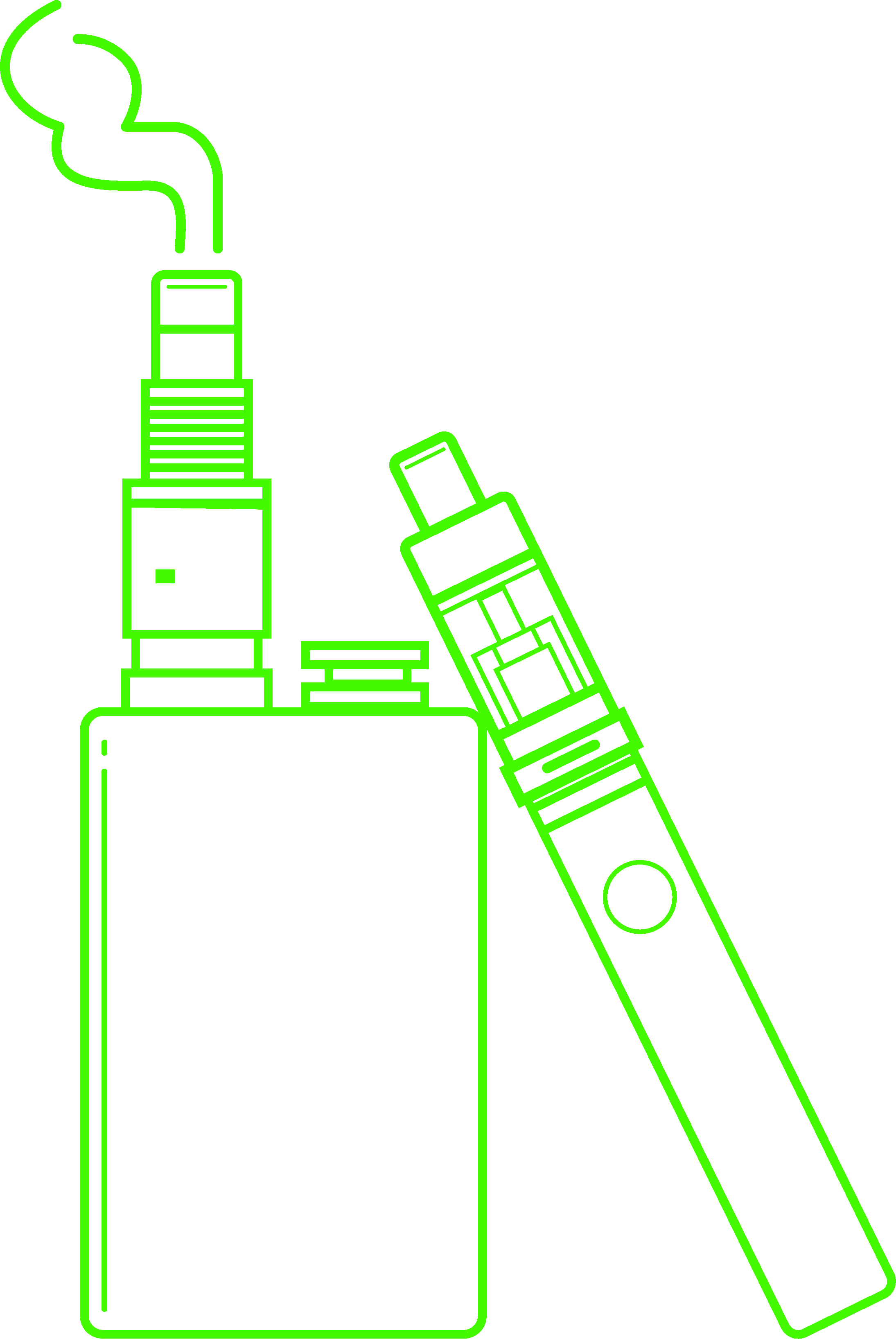
Batteries cannot be removed mechanically. Every unit requires manual dismantling — unsafe, slow, and impossible to scale.
Lithium cells, plastics, metals and residual liquids in a single compact assembly. Standard WEEE lines cannot process them safely.
02The certification
03Proof at scale
Pre-solution
Waste existed. Infrastructure didn't.
Year 1
100× growth post-installation.
Year 2
Continued acceleration.
2026 projected
Growth still increasing.
1 to 240 tons. 3 years. Greece. Now available in your market.
04Beyond vapes
The line was designed with future scalability in mind.
05Why partner now
Embedded battery devices remain outside conventional WEEE infrastructure. The market gap is structural, not temporary, and the volume curve is well established across EU member states.
Regulatory trajectory is sharpening. Producers, schemes and operators that secure compliant treatment capacity now will define the standard for the next decade.
We own the process, the engineering and the certification. Partners receive a transferable, replicable line — not a black box and not a service contract.
Two to three years of continuous production data from the Greek treatment line. Maintenance and technical support included. Established recycling operator with JV collaboration experience since 2009.
06Contact
For joint ventures, licensing, scheme operators and regulators.
Polygreen — WEEE Division · Greece
info@polygreen.eco